






🌍 Three intriguing commodity tales
Plus: Why Americans are googling mahjong

|
Today’s briefing: |
Sponsored by:  |
Good morning Intriguer. Thanks to the many folks who checked in with me and Kristen (Intrigue’s Washington DC editor) after President Trump deployed the US National Guard, in response to what he described as a public safety emergency around crime and homelessness.
That big announcement sat in stark contrast to my relatively mundane day, leaving me wondering if I’d missed something while ambling through Dupont Circle’s summer bubble en route to my morning meeting. Either way, best be on my top behaviour this next 30 days and quit all my delinquent loitering.
And with that, let’s dive into today’s briefing on three intriguing commodities updates.

Number of the day
2.8%
That’s what economists polled by The Wall Street Journal are expecting the Bureau of Labor Statistics to report for annual US inflation in July — up from 2.7% in June, and the third straight month of acceleration. The official result is due shortly (8.30am ET Tuesday).
Hot stuff, coming through!

There’s no shortage of egos cramming the op-eds and front pages.
So sometimes it pays to skip ahead to see what the commodities markets might be telling us about our world. Here are three tales that’ve just caught our eye:
-
Gold
Switzerland has a knack for avoiding strife, so why did President Karin Keller-Sutter suddenly rush to DC last week? She was, of course, responding to America’s new 39% tariffs, the highest on any developed economy. Why?
Pharmaceuticals, for example, make up half of all Swiss exports to the US thanks to big brands like Roche and Novartis — they’re exempt from the 39%, but only because there’s a separate national security investigation that could hit harder. President Trump wants pharma to cut prices and/or produce more in the US, and it’s duly announcing plans.
But the real Swiss curve-ball came when an obscure corner of US Customs and Border Protection wrote a letter to a DC law firm clarifying that Swiss 1kg and 100oz gold bars will also cop that new 39% US tariff. Who cares?
Most of us don’t stash bullion under our mattresses. That’s just bad lumbar support. But it turns out these two bar sizes above are the global standard for gold trading, and yes…
-
Switzerland is the world’s gold refining hub, while
-
The US (the world’s finance hub) still sits on easily the biggest stash of gold bars.
So this obscure customs letter was in effect slapping a tariff on one of the world’s financial arteries, and discouraging gold flows into the US right as the US (like everyone else) really wants more physical gold as a ballast amid choppy waters.
So gold futures flipped out accordingly, soaring to record highs until President Trump took to Truth Social to clarify that “Gold will not be Tariffed!”
-
Wheat
Ukraine’s agriculture ministry just released figures suggesting its grain exports are down 55% year-on-year, partly due to heavy rains. Plus Russia’s wheat exports just hit their lowest levels since 2008 last month, due to bad weather and farmers waiting for better prices. And that’s right as Putin is demanding his sector increase exports 50% by 2030.
But perversely, Russia’s figures could’ve been worse if not for the Ukrainian land it’s now occupying, supplying about 3% of Russia’s total grain crop last year — Kremlin-installed authorities are trying to ramp that up on land abandoned by Ukraine’s fleeing farmers.
Ukraine has asked allies to sanction this stolen grain, but tracing is tricky, particularly when (as Ukrainian intelligence alleges) it’s blended with Russian grain prior to export. And wheat isn’t the only grain causing intrigue right now…
-
Rice
Global rice prices hit massive highs just 18 months ago, driven mostly by bad weather and (relatedly) India curbing its exports to keep prices low back home.
But those global prices have now plunged back to eight-year lows thanks to record harvests out of Thailand and Vietnam, plus India (the world’s top exporter) unleashing its own volumes again. But that means the world’s top rice buyer (the Philippines) has now suspended rice imports to help its farmers via higher prices! Feel that whiplash?
And while this has all played out, rice prices have somehow doubled again in Japan due to extreme heat, panic-buying, and government policy. And that’s a big deal for the world’s fourth largest economy, where rice is almost sacred.
So Japan’s government tapped its strategic rice reserves and parachuted political royalty (a young Koizumi Jr.) to help bring prices down, but even he couldn’t save the ruling party from an Upper House wipe-out last month.
So take your pick, dear governments: let prices climb too high and angry consumers will kick you out next election; let prices fall too low, and farmer protests will clog your streets.
So maybe let the market find that Goldilocks sweet spot? Hah, how quaint. Free markets prefer high trust and low tariffs, neither of which are in surplus right now.
Intrigue’s Take
So what can we glean from these commodity updates? Here are two thoughts:
-
First, commodities are like geopolitical mood rings, offering real-time data on the kinds of pressure points now shaping power at home and abroad, and yet…
-
Second, official efforts to engineer favourable outcomes can lead to oversteering, exacerbating the very volatility governments are scrambling to solve.
So governments are not only chasing that Goldilocks price target, but are having to do so with a Goldilocks level of government intervention, which itself shifts every day.
Today’s newsletter is sponsored by Minderoo
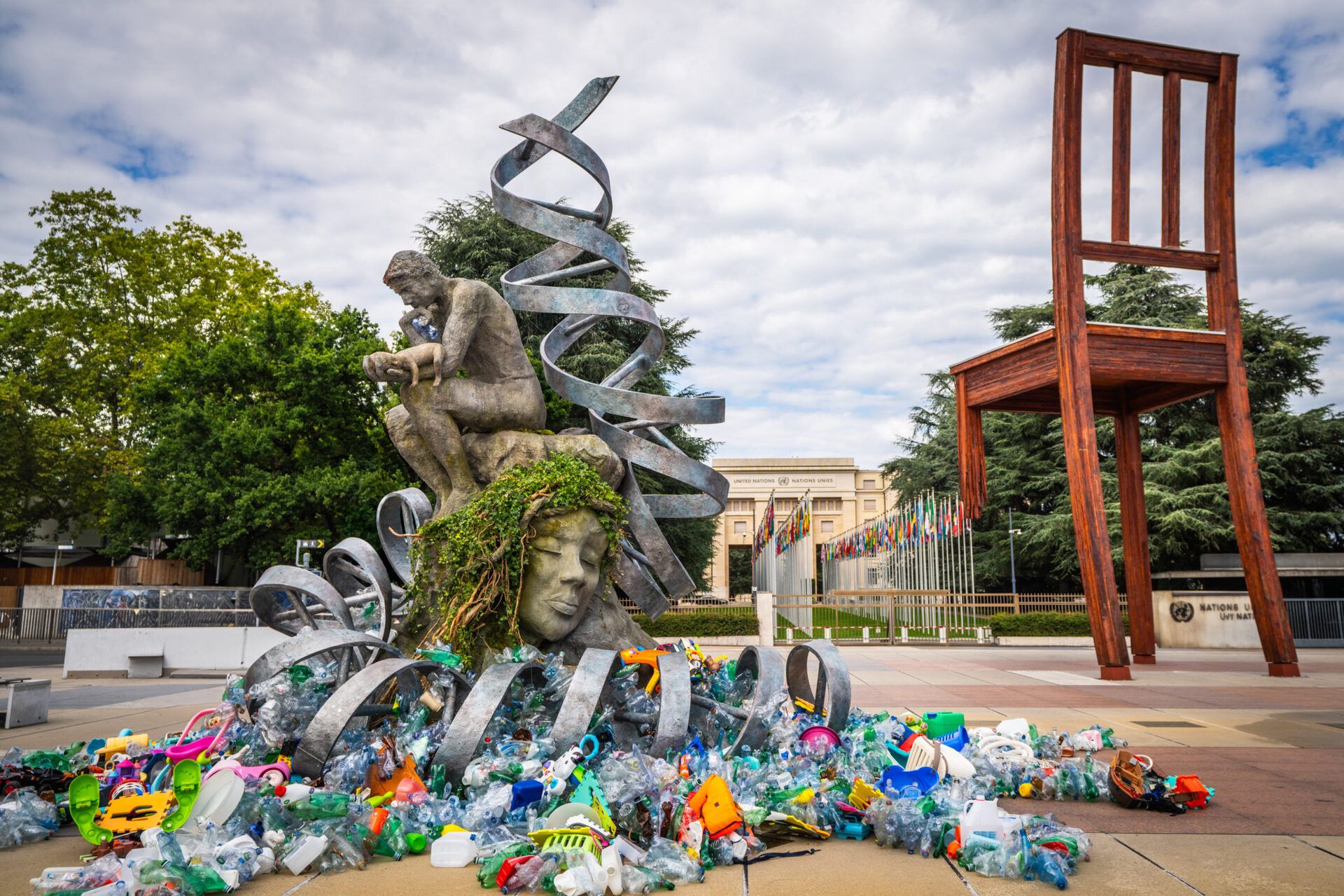
Halfway through the Global Plastics Treaty (INC 5.2) negotiations in Geneva, delegates hit pause for a stocktake. And, there's two visions emerging… or rather, colliding.
One pushes for a full-spectrum fix, from capping plastic production to regulating toxic chemicals. The other prefers to stick with end-of-pipe waste clean-ups, bringing the debate of tackling health harms at the source to the forefront.
At the launch of the PlasticHealthAware Dashboard, UNEP’s Inger Andersen and Panama’s Juan Carlos Monterrey Gomez gave a clear message for the rest of us: maintain pressure on negotiators and keep driving ambition forward.
Meanwhile, elsewhere…
 |
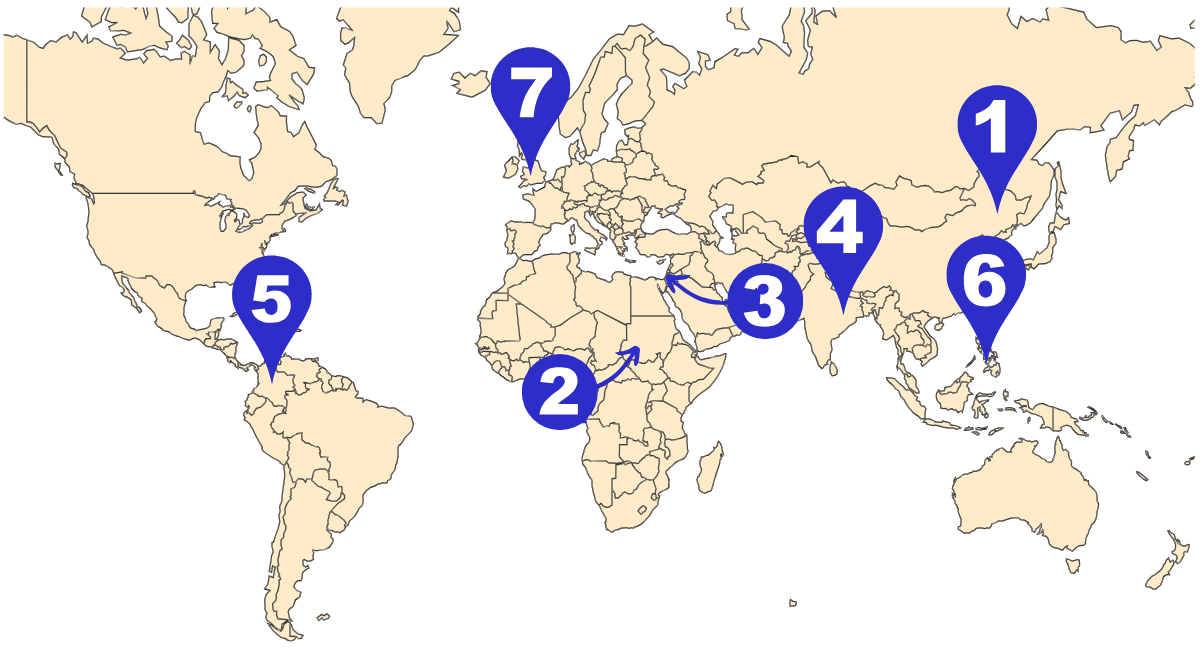
🇨🇳 CHINA – Truce extension. Comment: The new deadline is 10 November, shortly after Presidents Trump and Xi are set to cross paths at Korea’s APEC summit. That timing means there’s a chance Trump could visit Xi for talks in China en route to APEC, though getting to the heart of the structural China-US imbalances would require big concessions from Xi, and that seems unlikely given Xi’s continued leverage (eg, over US access to rare earths). |
 |
🇸🇩 SUDAN – Silence. Comment: The real toll is likely much higher, given the RSF now controls the camp (plus any evidence). |
 |
🇮🇱 ISRAEL – Hot n’ cold. |
 |
🇮🇳 INDIA – Cool it, neighbour. Comment: It’s the same Pakistani general who made headlines back in June after scoring a lunch with President Trump at the White House. |
 |
🇨🇴 COLOMBIA – Unity? Comment: It’s still unclear exactly who orchestrated the assassination let alone why, but it’s united a nation in shock, while also polarising it around how to respond ahead of 2026 elections: left-leaning President Petro’s vision for ‘total peace’ seems in tatters, but calls for a hard-line approach stoke their own dark memories in Colombia. |
 |
🇵🇭 PHILIPPINES – Oops. Comment: Manila has long been warning of the risks of China’s unprofessional behaviour at sea, though few will have expected this kind of China-on-China crash. Rather, Philippine President Marcos Jr. has increasingly warned that the death of a Philippine sailor could be an act of war against a treaty ally of the United States. So as dramatic as this incident was, it could’ve been much worse. |
 |
🇬🇧 UNITED KINGDOM – The price of eggs. Comment: The struggling Gemfields started seeking buyers back in December, when unrest halted operations at its ruby mine in Mozambique. |
Extra Intrigue
As 🇺🇸 the US melts its way through the dog days of summer, here’s what Americans are googling this season:
-
“Crochet shirt” continues to trend as the style dominates poolside fashion.
-
“Kabob” is topping summertime menus, along with popsicles and pasta salads.
-
And “mahjong pool tables” are having a moment this summer too, with US folks finding a newfound appreciation for the Qing Dynasty-era game.
Unintended consequence of the day
Credits: @sikasika1122 on X/Twitter
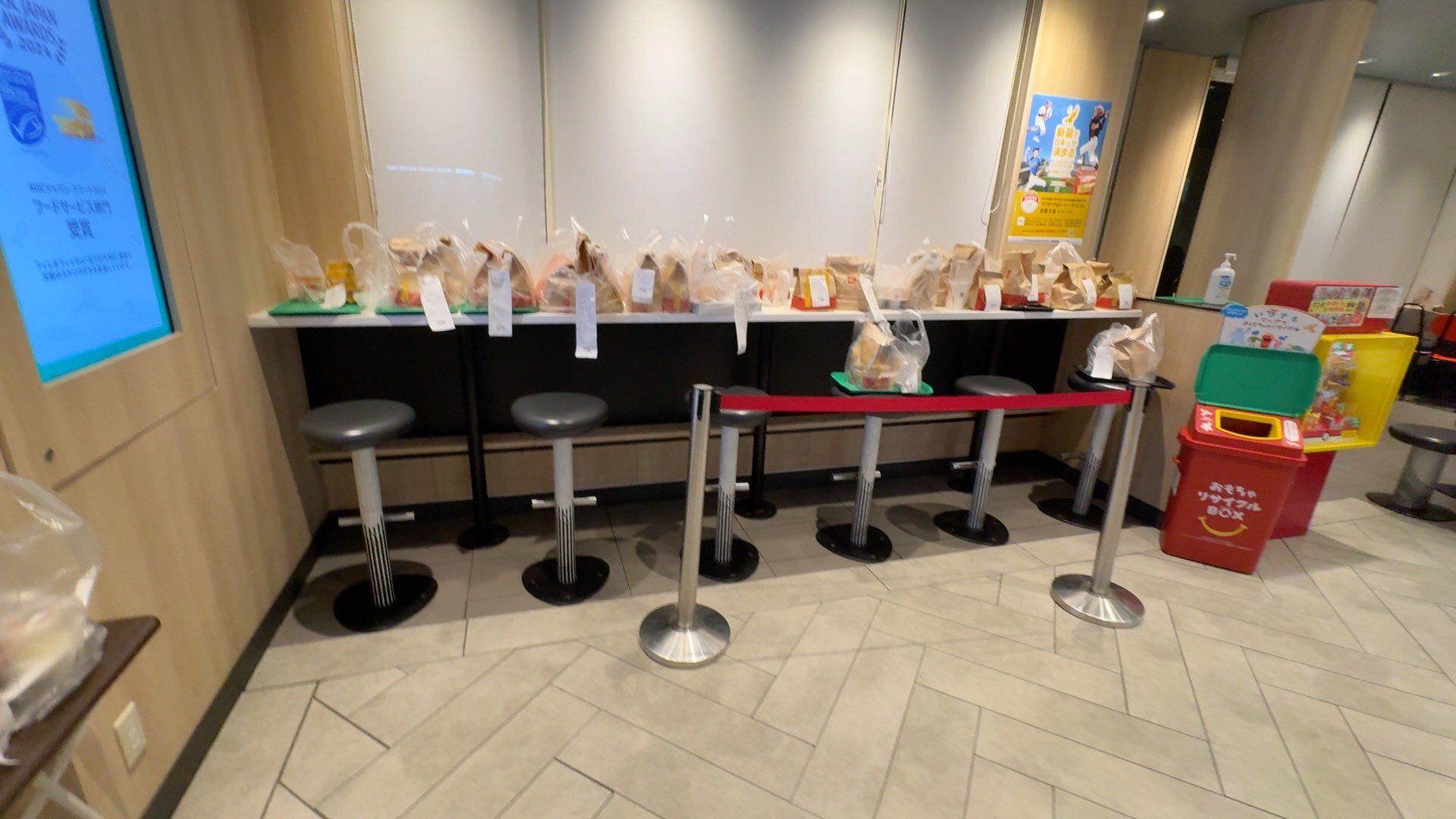
Japan’s McDonald's Pokemon card Happy Meal promotion lasted exactly one day before descending into chaos.
What went wrong? Collectors just bulk-bought meals then dumped the food, leaving steaming piles of untouched Happy Meals (Pokémon cards removed, naturally) for flocks of feasting pigeons. The cards later hit resale sites at several times the meal price.
McDonald’s had a five-meal limit, but card-hunters just used multiple accounts!
It’s hardly a first: earlier this year, police had to disperse crowds of card-hunters at Singapore's Changi Airport, home to Asia’s first Pokémon Center outside Japan.
Today’s poll
Which commodities do you think reveal the most? |
Yesterday’s poll: Who do you think is shaping up as the winner from Friday's upcoming Alaska summit?
🟨⬜️⬜️⬜️⬜️⬜️ 🇺🇸 Trump (12%)
🟩🟩🟩🟩🟩🟩 🇷🇺 Putin (75%)
⬜️⬜️⬜️⬜️⬜️⬜️ 🇺🇦 Zelensky (3%)
⬜️⬜️⬜️⬜️⬜️⬜️ 🌍 Europe (4%)
⬜️⬜️⬜️⬜️⬜️⬜️ ✍️ Other (write us!) (5%)
Your two cents:
-
🇷🇺 I.S: “The only thing that would change my opinion is if Trump has Putin arrested as the war criminal he is and hands him over to the courts.”
-
🇺🇸 L.S: “If it weren’t for Trump, there wouldn’t even be a summit.”
-
✍️ L.K: “If there is any progress towards peace, the people of both Russia and especially the Ukraine will be the winners.”
-
🇷🇺 I.F: “Putin gets advantage from inaction, so if nothing gets decided he at least gets more time to advance.”