






If the term ‘social credit scheme’ conjures up images of Bryce Dallas Howard having a full-blown breakdown in a pastel-coloured frock, well phew — it’s not just us.
And as we’ll see below… maybe we’re not too far off the mark?
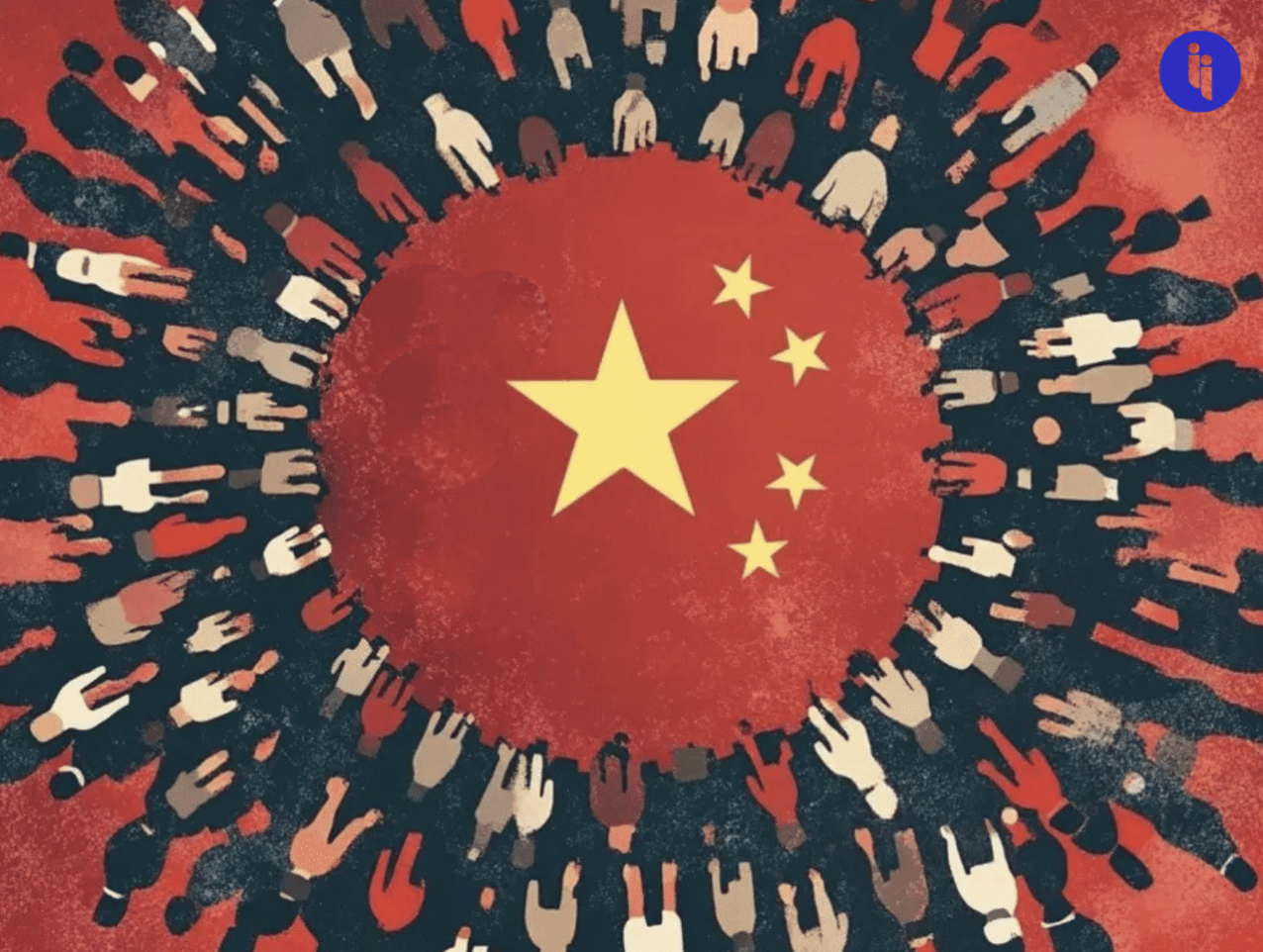
‘Social credit scheme’ is the term China uses for a national scoring system it just updated and expanded with 23 new guidelines. If that all sounds confusing or wild, it’s because it’s arguably both.
Stay on top of your world from inside your inbox.
Subscribe for free today and receive way much more insights.
Trusted by 160,000+ subscribers
No spam. No noise. Unsubscribe any time.
The idea started floating around Communist Party circles as early as 2002, but it looked real from 2014 — that’s when Beijing launched a six-year plan for a system “rewarding trustworthiness and punishing untrustworthiness”.
It shares some parallels with Western ‘nudge theory’, which focuses more on small, non-coercive changes to the way we present choices to help folks make better decisions: display those healthy sunflower seeds at eye-level, and folks might ditch the Cheetos.
But there ain’t no party like the Communist Party, which gave the concept its own spin then dialled it all the way up to 11, using millions of carrots (like preferential treatment and lower interest rates) plus sticks (like fines and travel restrictions) to shape society.
And to do that, it hoovers up two sources of data:
- Financial — think credit, payment, and tax history (like a US credit score), plus…
- Social — think legal infractions, online activity, and even travel etiquette!
Implementation has been a little wild: there’s no unified system, but rather a constellation of different local-driven pilot initiatives:
- Shanghaipolice moved to add dog owner offences in 2017
- Beijingadded bad public transit etiquette in 2019, and
- Liaoningprovince explored ways to reward blood donation in 2022.
But these latest updates aim to drive a single, more unified national system.
So… why all the hassle?
First, there’s a basic business angle: as China opened up its economy, it wanted a Western-style financial credit scoring system to facilitate the lending and investment needed to drive economic growth and poverty alleviation.
Second, there’s a basic bureaucratic angle: as China grew, it wanted better ways to share and track data across agencies to make better decisions and drive efficiencies.
But third, there’s a clear ideological angle, too: this journey started under Xi Jinping, who moved quickly to centralise control, emphasise ideology, and prioritise stability. His social credit scheme helps him do all three.
As for the people in the People’s Republic?
State outlets cite approval ratings for the scheme at over 80%. But there’s interesting research out of Stanford suggesting when folks get looped into the system’s potential for digital surveillance and repression (not highlighted by state outlets), support drops.
INTRIGUE’S TAKE
Science fiction at its best helps us extrapolate today into tomorrow:
- The Stand did it with a lab-leak
- Elysium did it with inequality
- Children of Men did it with fertility
- Starship Troopers did it with militarism, and
- Red Mars did it with space travel.
The pastel frock series we cited up top (Black Mirror) is another classic — it opens most episodes exploring the wonder of some extrapolated solution, including this particular episode (Nosedive) which features something broadly similar to China’s social credit scheme: everything seems pleasant, safe, and prosperous.
But then the script’s inevitable ‘inciting incident’ hits around the 10% mark, with a succession of innocent mishaps, mistakes, and misunderstandings that nudge poor Bryce under the steamroller of what’s rapidly revealed as an unforgiving system.
And that’s the thing to keep in mind here: the best science fiction plays not in the moral black and white, but in the grey. We all yearn for low crime, low waste, and low-people-putting-their-feet-on-seats societies. But if we lose the nuance that makes us human, we’re all an inciting incident away from becoming the bug rather than the windshield.
Oh, and speaking of grey areas, it’s easy to paint China as an uber-advanced authoritarian competitor offering a compelling alternative to the international order many grew up in. But this credit system’s mess of red tape, lax planning, and ideological vagaries are also a reminder that yep, the Party puts its pants on one leg at a time too.