





Ukraine is back on the front page (if it ever really left) after Russia launched its biggest-ever missile and drone strike on Monday, followed by a chaser attack yesterday (Tuesday).
It’s one of three intriguing developments happening in the war right now, with potential to shape the months and years ahead. So let’s take a look, shall we?
- Renewed Russian attacks on civilian infrastructure
Russian strikes have already destroyed half of Ukraine’s energy production capacity, with at least 80% of its thermal and 30% of its hydroelectric power now reportedly gone. Monday’s barrage even hit a dam at the Kyiv hydroelectric plant, which could cause catastrophic flooding if breached (it’s still okay for now).
Stay on top of your world from inside your inbox.
Subscribe for free today and receive way much more insights.
Trusted by 160,000+ subscribers
No spam. No noise. Unsubscribe any time.
That’s a grim scenario with winter around the corner.
So, why do it? Maybe it’s an odd question in the context of Putin’s whole invasion, but it’s still one worth asking because the answers are illuminating. So why? Putin is probably attacking Ukraine’s civilian infrastructure for a few reasons:
- a) Because he can (Ukraine’s air defences are still porous)
- b) To make life hard for everyday Ukrainians and erode morale, reduce support for Zelensky, push him to capitulate, and curb his leverage
- c) As ‘revenge’ for (and a distraction from) Zelensky’s counterattacks in Kursk, which have been a humiliation, and
- d) To undermine Ukraine’s ability to defend itself and produce arms.
Btw, the reasons for Ukraine’s counterattacks on Russia’s oil and gas infrastructure are clear: Putin finances (and fuels) his invasion with oil.
- Ukraine’s vaunted new long-range weapon
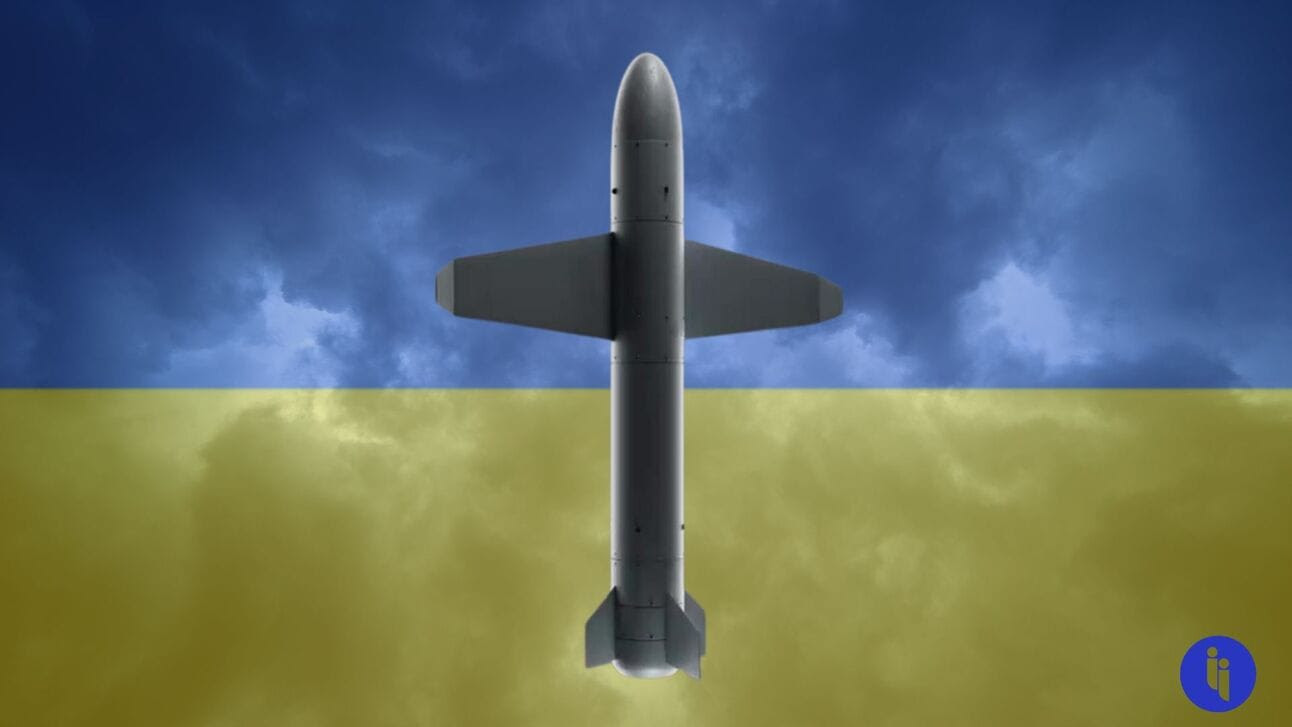
President Zelensky has just claimed the deployment of a “completely new class of weapon”. It’s named the ‘Palianytsia’ after a type of Ukrainian bread that’s famously tough for Russians to pronounce – the word was rumoured to be a test to unmask suspected spies in the war’s early days (like a modern-day Shibboleth).
Wartime leaders have incentives to exaggerate, and there’s little verifiable info in the public domain here, but Ukrainians are hinting the Palianytsia is a jet-powered drone with solid range (up to 700km) and low cost (sub-$1M per unit).
And there’d be several advantages to something like this:
- Less reliance on Western arms (which are hostage to local politics)
- Less reliance on Western agreement (hostage to ‘escalation’ fears), and
- More Russian turf vulnerable to Ukrainian counterattacks (forcing Russia to pull back the bombers it uses to attack Ukraine’s cities).
But it’ll take time to scale-up production, so for now Zelensky is doubling down on his request to use Western weapons to strike back within Russia.
- A more dynamic battlefield?
Each side could plausibly claim it has the initiative right now:
- Ukraine now holds 1,300 sq km (500mi), 100 settlements, and 600 POWs from across Russia’s Kursk region, with reports Ukrainian forces are now seeking to push into Russia’s neighbouring Belgorod region too, and
- Russia seems days away from seizing a key logistical hub over in Ukraine’s east (Pokrovsk), after grinding forward there at staggering cost.
So 30 months into Putin’s invasion, this war is still evolving.
INTRIGUE’S TAKE
If your Black Sea fleet can no longer roam the Black Sea, can you still call it the Black Sea fleet? Somebody should ask Mr Putin, because apparently he quietly withdrew his last warship from occupied Crimea last month.
Ie, in two and a half years, we’ve gone from Putin confidently imposing an impenetrable blockade on a country with virtually no navy, to Putin quietly withdrawing his entire local fleet after losing a third of it to the Ukrainians.
Why do we talk about this stuff? As we flagged yesterday, we’re not expecting the conflict to end any time soon. But each move today can shape any eventual peace tomorrow. So with limited information and resources, both sides are now forcing the other to make some increasingly difficult decisions.
Also worth noting:
- UN nuclear watchdog chief Rafael Grossi has just visited Russia’s Kursk nuclear power plant (near the fighting), and has warned that the facility is “extremely exposed and fragile”.
- Ukrainian President Volodomyr Zelenksy has announced he’ll travel to the US next month to present President Biden (plus Kamala Harris and Donald Trump) a “package to force Russia to end the war using diplomacy”.