






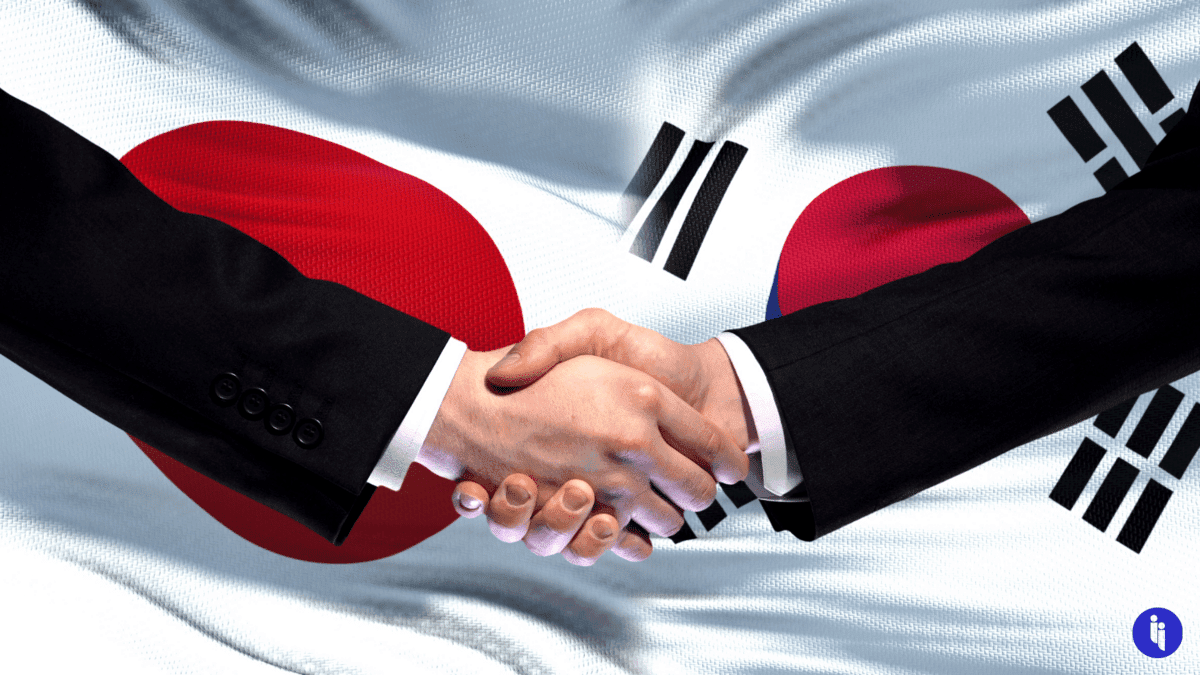
Briefly: This weekend saw Prime Minister Kishida pay Japan’s first state visit to South Korea in over a decade, following Korean President Yoon’s historic visit to Japan in March. The reciprocal trips come after years of acrimony.
Japan and Korea are neighbours, democracies, and US allies. And the two capitals are a 2.5 hour flight apart. So a quick visit should be routine, right?
But these visits are a big deal. Japan’s colonisation of Korea (1910-1945) still casts a long shadow. It brought atrocities like forced labour, including in brothels for the Imperial Japanese Army. And those kinds of wounds don’t heal easily.
Stay on top of your world from inside your inbox.
Subscribe for free today and receive way much more insights.
Trusted by 161,000+ subscribers
No spam. No noise. Unsubscribe any time.
But relations soured again in 2018 after a Korean court said Japanese firms (like Mitsubishi) were still liable to pay damages for those atrocities. This was all despite Japan’s claims that a 1965 treaty had already resolved the matter.
So these visits, carrying real political risk for each leader, hint at a way forward.
Intrigue’s take: This all brings to mind two things: first, how politics at home can shape geopolitics abroad. Voters in both countries watched Kishida’s visit intently:
- 🇰🇷 If he offered less than an apology, he risked angering many Koreans who feel Japan hasn’t fully atoned for its colonisation, and yet
- 🇯🇵 If he did offer an apology, he risked angering many Japanese who feel Japan has already apologised but say Korea keeps shifting the goalposts
So Kishida threaded the needle, telling his Korean counterpart: “It touched me that you opened your heart for a future together, without forgetting the painful memories of the past… my heart aches.” And this went over well with Seoul.
But second, it’s a reminder how geopolitics abroad can shape politics at home. Polls suggest China’s rise has left many in Japan and Korea more worried about China than each other. And that’s probably created space for their reconciliation.
Also worth noting:
- Korea’s president recently said Japan should no longer be expected to “kneel because of our history 100 years ago.” But polls suggest he’s paying a political price at home for his efforts to mend ties with Japan.
- World leaders aren’t the only ones making the trip. Two-way tourism is up, and K-pop stars like Stray Kids and Aespa recently toured Japan.