




When Israeli leader Benjamin Netanyahu suddenly appeared on the White House schedule for yesterday (Monday), we reflected on:
- a) how much has changed since his last visit in February (when the Israel-Hamas ceasefire still held, and Trump hadn’t yet tariffed Israel 17%), yet also…
- b) how much has not changed since February, when their chat otherwise covered the same topics (Iran, Syria, Turkey, Gaza, Bibi’s arrest warrant, etc).
So let’s start first with the news that’s now emerged.
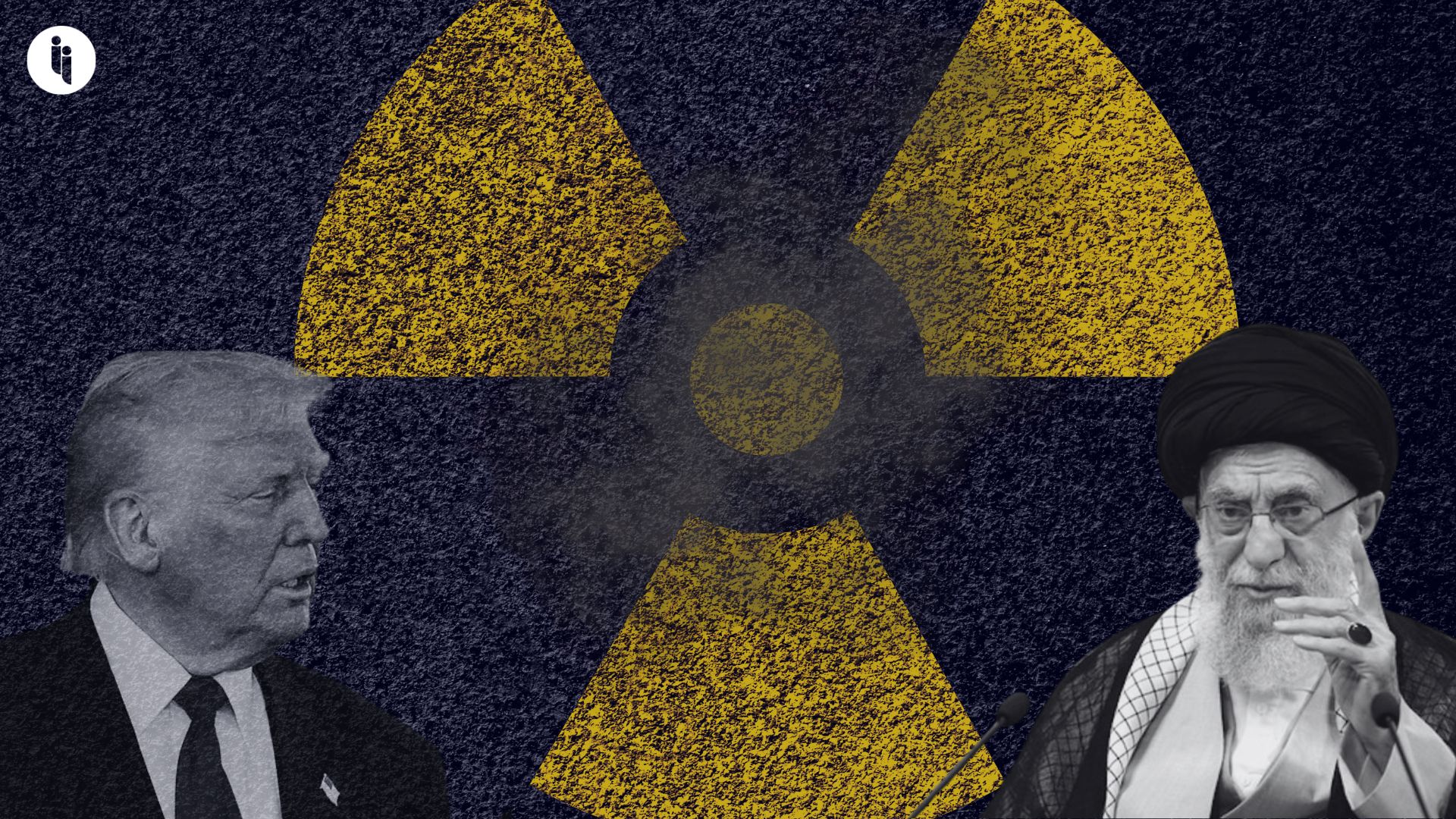
Sitting next to Netanyahu in the Oval Office, Trump remarked that direct talks with Iran will now take place at the “highest level”. The two foes have since been sprinkling the details like Salt Bae with a rump cap:
Stay on top of your world from inside your inbox.
Subscribe for free today and receive way much more insights.
Trusted by 160,000+ subscribers
No spam. No noise. Unsubscribe any time.
- Time: This coming Saturday
- Location: Oman (Iran revealed this separately)
- Who: Word is it’s most likely Iran’s Araghchi (foreign minister) and America’s Witkoff (Trump’s special envoy), though there’s no confirmation yet
- Agenda: Trump spelled it out like this — “it’s not a complicated formula. Iran cannot have a nuclear weapon.” ICYMI, Trump paired his outstretched hand with a fist last week, threatening bombs if Iran baulks.
But interestingly, Iran’s foreign ministry was denying these talks even exist, before eventually referring to them as merely “indirect”. And that raises questions whether a) Iran is still open to dialogue, b) maybe its foreign ministry is just out of the loop again, c) maybe it’s just the Ayatollah managing his hardliners at home, and/or d) maybe it’s a Trump pressure tactic on Iran, or even a diversion from his tariff wobbles back home.
And speaking of those tariffs…
They were the first topic Netanyahu raised — while he pledged to eliminate trade barriers and Israel’s surplus with the US, Trump in turn wouldn’t commit to dropping his tariffs before they kick in tomorrow (Wednesday).
Instead, he reminded the room how many billions the US hands Israel in security assistance annually, directing a semi-sassy “congratulations” to Netanyahu.
Which brings us back to the various pressures now facing Netanyahu himself.
First, his decision to re-enter Gaza, while popular with folks wanting Hamas out, has also enraged not only the hostage families just wanting a deal to get their loved ones out, but also those just wanting the devastation to end.
Second, his legal woes now touch not only his own dealings, but some top aides too.
And third, that’s all complicated by his political tightrope, between the hardline moves he needs to keep his coalition together, and the resulting blowback that wobbles it all over again.
So against that messy backdrop, Netanyahu will have landed in DC hoping his direct and immediate access to the US president might again bolster his stance at home and abroad. But Trump’s tariff dodge and “congrats” line above kinda left him hanging instead.
INTRIGUE’S TAKE
For such a brief meeting, this latest Trump-Bibi encounter still sent lots of signals:
First, if Netanyahu can’t get a break from a top ally like Trump (in public at least), you’ve gotta wonder if he can get a break anywhere.
Second, if Trump won’t give a tariff break to a US ally like Israel (a smaller partner with no remaining tariffs on the US), you’ve gotta wonder if he’ll give a break to anyone.
And third, if Trump is implying even a security partner like Israel owes the US, you’ve gotta assume (if you didn’t already) he feels that way about every partner.
As for the main thing Trump and Bibi agreed on? It’s probably also the most difficult. When Trump 1.0 withdrew from the Iran nuclear deal, the pact had (for all its faults) kept Iran’s uranium enrichment at a civilian-only 3.67%, and its stockpiles at a tolerable 300kg. Nowadays? The Ayatollah is sitting on 30 times more uranium, a chunk of which he’s now enriched to within a short sprint to military grade.
Also worth noting:
- The Manufacturers Association of Israel says the Trump tariffs might cost Israel $2.3B in exports a year.