



News broke over the weekend that US President Joe Biden had given Ukraine permission to use longer-range weapons provided by Washington to strike deeper into Russian territory. It’s been regarded as a major shift for the US’ Ukraine policy.
The White House hasn’t officially confirmed the reports, but Ukrainian President Volodymyr Zelensky released a (not-so-)cryptic message on Sunday evening stating: “Such things are not announced. The rockets will speak for themselves.” So, yeah, it looks pretty official.
Reports suggest Biden’s decision came after North Korea sent thousands of troops to Russia to bolster Moscow’s war effort, and is timed just months before a new administration (with potentially different views on the war) takes over the Oval Office.
Stay on top of your world from inside your inbox.
Subscribe for free today and receive way much more insights.
Trusted by 134,000+ subscribers
No spam. No noise. Unsubscribe any time.
Russia predictably didn’t take the news well. Though Vladimir Putin has yet to personally comment, a Kremlin spokesperson warned the decision was “adding fuel to the fire”, and risked further escalating the conflict.
Wait, which weapons are we talking about?
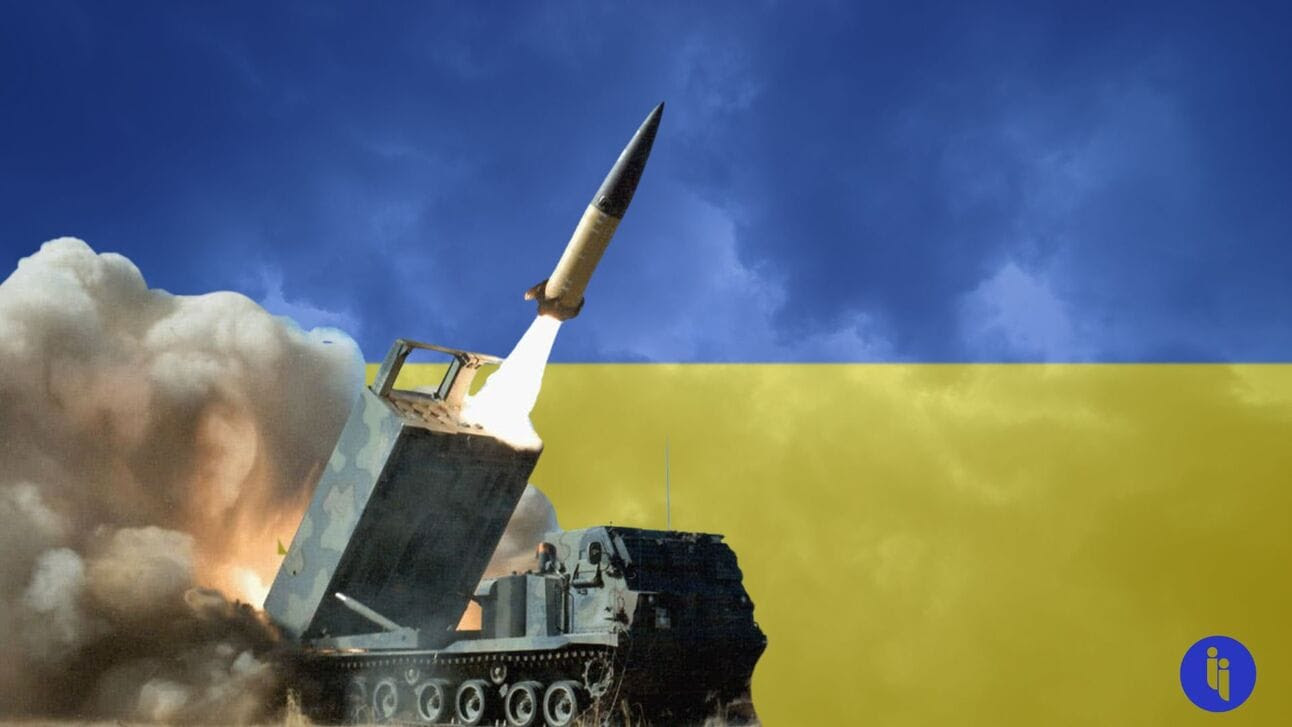
You’ll be forgiven for losing track of the various weapons systems in play. To recap, the US had given Ukraine permission to use its High Mobility Artillery Rocket System (HIMARS) against targets in Russian territory earlier this year, after Moscow launched an offensive that threatened the Ukrainian city of Kharkiv.
The HIMARS munitions currently used only have a range of ~80km (50 mi). Compare that to the new weapons system, the Army Tactical Missile Systems (ATACMS) which can reach targets as far away as 300km (190 mi), and could significantly level-up Ukrainian fighting efforts.
Kyiv has used ATACMS previously, but only against targets in Russian-occupied Ukraine (and not Russia proper).
What does this mean for Ukraine?
- It’s a significant development militarily. Ukraine can now use the ATACMS on targets within the strategic Kursk Oblast region, which is the Russian region where Ukrainian troops made inroads during a surprise offensive last August, and where Russia has moved the recently-deployed 10,000 North Korean troops. Moscow is now reportedly preparing to launch an counter-offensive to reconquer the lost territory.
- But its impacts on the broader tide of the war might be limited. While there are hundreds of Russian military targets within ATACMS range, Russia has already relocated some of its strategically-critical weaponry to positions outside the missiles’ range, in anticipation of such a move.
Where ATACMS can help Ukraine is in the deterrence and leverage it provides:
- Ukraine can gain and retain some strategic advantage by using the systems to strengthen its position in Kursk ahead of any future negotiations.
- It could also up Ukrainian morale and dissuade North Korea from sending any more troops (new figures floating around put the total prospective deployment as high as 100,000 NK troops).
Zooming out, the US’ policy shift is likely to have a domino effect byopening the door for other Ukraine allies to follow suit.
- France and the UK, which have expressed support for Ukraine’s long-range requests, are expected to be the first to announce a policy change.
- As for Germany, it might take Chancellor Olaf Scholz more time to make the shift (if at all). He’s still opposed to sending German-made long-range missiles to Ukraine over fears such a move would drag NATO further into the conflict. However, with fresh elections on the horizon and NATO’s future potentially looking shaky, Germany could still change course.
So, now we wait and see. We’ll be watching when Ukraine deploys ATACMS, what targets it selects for its first strike, and how Russia reacts. And in the midst of all this, we’ll keep an eye out 👀 for any comments from the incoming Trump Administration that might indicate (dis)satisfaction with the new US policy.
INTRIGUE’S TAKE
Volodymyr Zelensky has finally (kinda) gotten what he wanted. He’s led a months-long campaign urging Western governments to allow Ukraine to use long-range weapons to strike targets deep into Russian territory.
But this latest development isn’t a total win for him either: reports suggest he was irked the news had leaked before Ukraine could use the missiles on the ground, presumably neutralising any surprise factor Kyiv still had on its side. D’oh.
But more good news could be around the corner if France, the UK, and Germany step up their commitments to Kyiv’s security, quicksmart.
Also worth noting:
- Incoming US President Donald Trump has vowed to end the Russo-Ukraine War as soon as takes office, although he has not shared exactly how he plans to do so. The DC ‘blob’ (aka DC’s think tanks and analysts) reckon he’ll likely push both sides to negotiate a ceasefire deal and accept territory swaps.
- The Russo-Ukraine War entered its 1,000th day today (Tuesday).