





Everyone from diplomats (Russians included) to PhDs, plus the world’s top UN watchdog, and energy executives, all crammed into a DC nuclear conference this week. Hosted by the elite Carnegie Foundation, panels featured the conversations of the day — Iran, US nuclear talks, South Korea’s growing arsenal and Poland’s pledge to build nuclear plants.
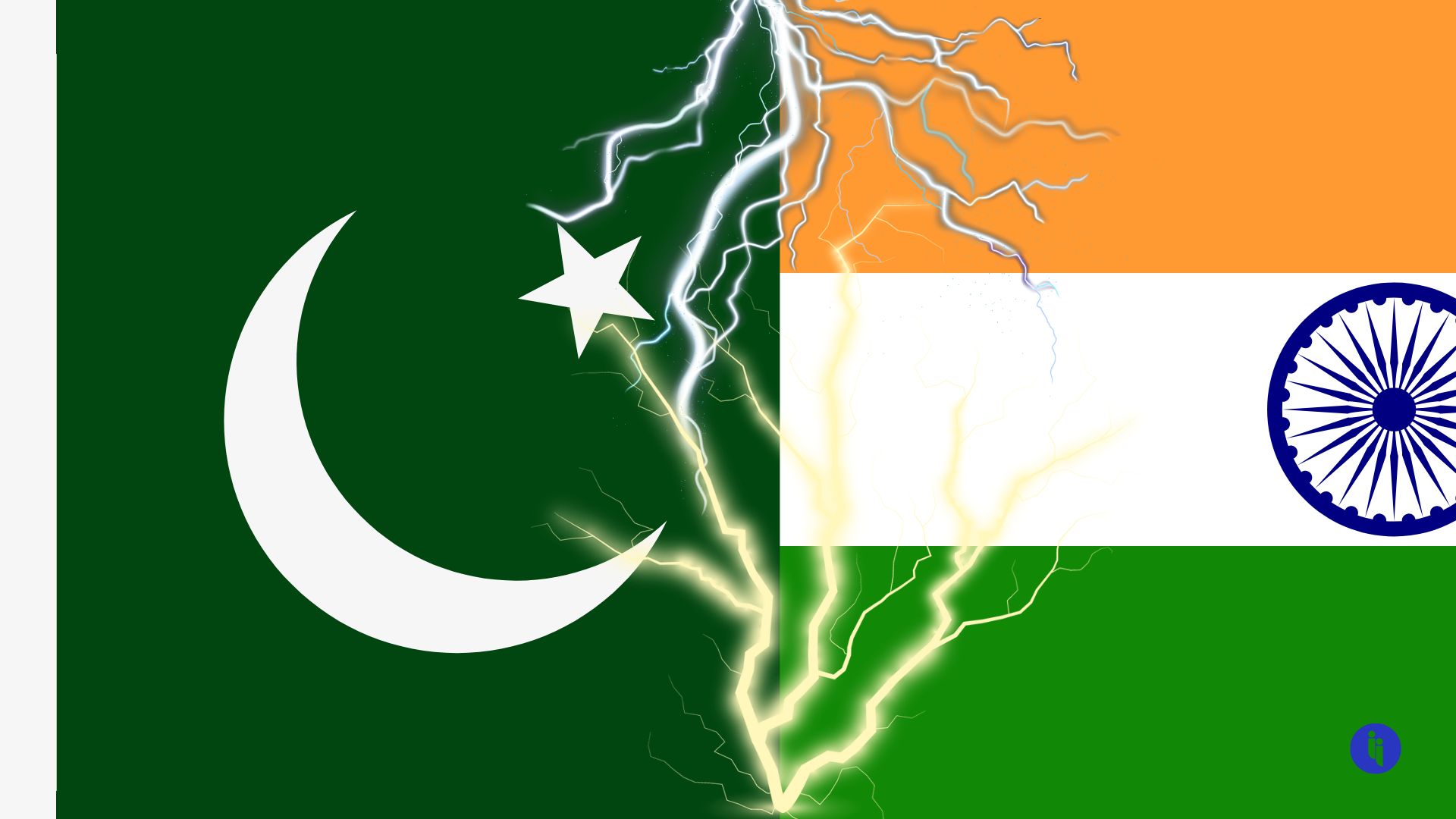
And while panels tackled hot topics, the watercooler chatter focused on nuclear-armed rivals India and Pakistan. In fact, the event host (Carnegie’s president) even flagged this as a bigger risk than any ‘great power’ nuclear clash.
So when Pakistan-based jihadis stormed a tourist resort killing 26 in Indian-controlled Kashmir on Tuesday, the nuclear crowd grew nervous.
Stay on top of your world from inside your inbox.
Subscribe for free today and receive way much more insights.
Trusted by 161,000+ subscribers
No spam. No noise. Unsubscribe any time.
Why?
In shooting scores of tourists dead, this offshoot of Lashkar-e-Taiba (LeT) has lit a match in an area that’s long been highly combustible.
Kashmir has been split in two since the 1947 partition of British India: one part still controlled by Pakistan, the other by India, and all parts still claimed by both. These days, it’s a lightning rod for all the reasons these two neighbours don’t get along, including:
- History, like the millions violently displaced during partition
- Faith, broadly along the fault lines of Hinduism (India) and Islam (Pakistan)
- Politics, including rivalry between India’s secular (if Hindu-dominated) democracy and Pakistan’s Islamic republic, all feeding into…
- Competition for regional influence, mutual allegations of backing hostile separatists, not to mention some very hostile media narratives.
Against all that (plus tensions with China), India tested its first nuke in 1974, nudging Pakistan to follow suit (with China’s help) in 1998.
But after years of periodic deadly attacks, things seemed relatively quiet as we entered 2025, with Delhi hinting at a coming “permanent peace” and encouraging more tourism.
But India’s worst terrorist attack in years has now upended everything, with Delhi already:
- Closing the Wagah border crossing
- Suspending a major water-sharing treaty
- Expelling Pakistani diplomats and military advisers
- Cancelling vast numbers of Pakistani visas, and
- Blaming Pakistan’s support for “cross-border terrorism” (a claim Islamabad denies).
And PM Modi has now cut short his Saudi trip to instead convene his national security council, pledging “punishment beyond imagination” for those responsible.
Intrigue’s Take
So what next? An Indian strike on LeT targets in Pakistan feels inevitable for three reasons:
- First, precedent: the last time something of this magnitude happened (2019), Modi sent jets into Pakistani airspace. There’s also evidence (which Delhi denies) that he’s gone full Munich, with 20 or so curious targeted assassinations
- Second, personnel: some of Modi’s closest allies, like his top security advisor Ajit Doval and his home affairs minister Amit Shah, are known hawks on this stuff — Doval even spent years undercover in Kashmir
- And third, politics: against the febrile climate we’ve outlined above, Modi’s own political brand of Hindu nationalism really rests on a sharp response here.
So the question becomes how Pakistan might respond, and many will hope we see a repeat of Pakistan’s shrug after Indian airstrikes in 2016 and 2019, basically denying they even happened. Hits on remote LeT bases are tough to verify either way, conveniently giving both sides scope to talk big at home while de-escalating abroad.
But also, remember that the Pakistan of 2025 isn’t the Pakistan of 2019 — it’s got a weaker coalition government, a worsening economic outlook, and it faces escalating ethnic insurgencies. And that all raises the risk of a miscalculation.
Sound even smarter:
- India’s spooks are briefing local outlets that the attack mastermind was LeT’s Saifullah Kasuri, a top figure in the LeT offshoot that’s claimed responsibility.